
The cost of UK government borrowing reached its highest level since the 2008 financial crisis as oil prices climbed past $100 a barrel and global bond markets fell.
Yields on 10-year gilts rose above 5.1% for the first time in 18 years. Concerns about the Iran war pushing inflation higher and forcing the Bank of England to raise interest rates again drove the increase. The spike adds pressure to the UK’s debt servicing costs, complicating efforts by Prime Minister Andy Burnham and Chancellor John Healey to balance the budget after recent spending pledges.
Oil prices fuel inflation fears
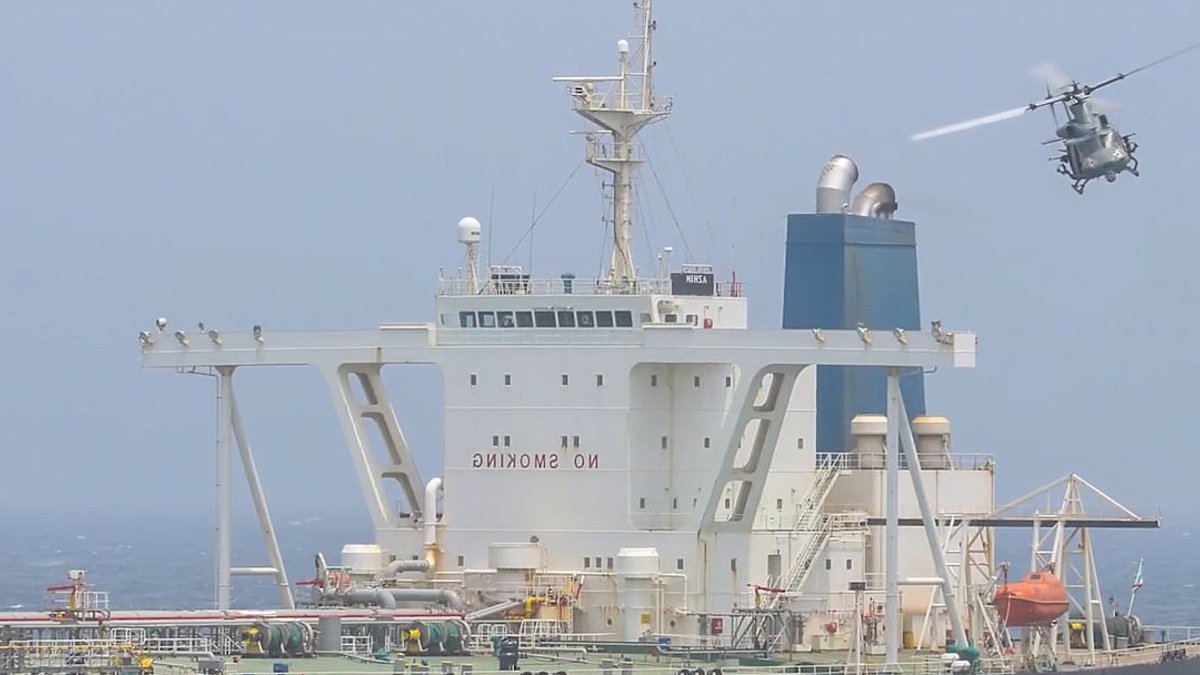
Brent crude, the international oil benchmark, passed $100 for the first time since May—a fifth day of increases—as Yemen’s Houthi rebels said they struck two Saudi tankers, widening the scope of disruption. Until now, the war has choked off supply via the Strait of Hormuz. The Houthis are now targeting a separate key waterway, the Bab el-Mandeb Strait, creating a second choke point.
Goldman Sachs analysts warned that if the Strait of Hormuz remains disrupted, Brent could average $100 next year or top $120 in the fourth quarter. If the Bab el-Mandeb suffers persistent problems, prices could go even higher.
The conflict has caused oil prices to fluctuate sharply since late February. Prices jumped from $72 to a peak of $126 in April before dropping back to $70 earlier this month after a ceasefire briefly eased tensions. Since the deal collapsed, crude has rebounded to $101.
Households face rising costs
The market turmoil will affect consumers in several ways. Mortgage rates have already started rising in response to higher gilt yields, while fuel prices increase at the pump. RAC data showed diesel prices rose 8p a litre in the past two weeks, with petrol up 5p over a similar period. RAC’s head of policy, Simon Williams, called the increases “shooting up like a rocket.”
Related: PPA introduces Hari PRS retirement planning initiative
Investors now expect the Bank of England to raise interest rates twice before the end of the year. This reverses earlier expectations of cuts that had taken hold over the summer. The change rattled stock markets, with the FTSE 100 falling 0.7% to close at 10,639.17.
Susannah Streeter, chief investment strategist at Wealth Club, said the strikes on Saudi tankers marked a dangerous escalation. “Iran appears to have pulled the Houthis back into the toxic geopolitical mix,” she said. “The strikes, if confirmed, would mark the first since the Houthis announced a maritime embargo against Saudi Arabia, opening another potential front in the conflict.”
The UK is not the only country facing bond market turbulence. German 10-year yields reached a 15-year high, reflecting broader concerns about inflation and central bank policy. For Burnham’s administration, the timing is difficult as officials work to fund promises on energy subsidies, public transport, and business rates without worsening the deficit.
Drivers and homeowners already feel the impact. Filling up a family car costs more than it did a month ago, and lenders have begun raising mortgage offers. The trend may reverse quickly or become a long-term strain on household budgets.
The Bank of England’s next decision will hinge on how persistent the inflation threat remains. If oil prices stabilize, pressure on rates may ease.
Recent market volatility has shown how quickly geopolitical tensions can disrupt financial stability.


