
Australian venture capital activity hit a record pace this week, with six startups raising a combined $525 million. The funding spree included a record private raise for quantum software, a Series A for a Melbourne-based blockchain payments firm, and a government-backed bet on methane-reducing cattle feed.
Q-CTRL hits unicorn status
Sydney quantum software scaleup Q-CTRL closed a US$290 million Series C round, valuing the company at more than US$1 billion and making it the country’s first quantum unicorn. The round was led by Salesforce Ventures, with participation from the federal government’s National Reconstruction Fund, AMD Ventures, Affinity Partners, and SPARX Asset Management.
Existing backers Alpha Edison, Alumni Ventures, Bullhound Capital, DCVC, In-Q-Tel, Lockheed Martin Ventures, Main Sequence, Ridgeline, Salus Ventures, and Square Peg also returned to the table. The round expanded twice to meet investor demand, setting a record for a private quantum software business.
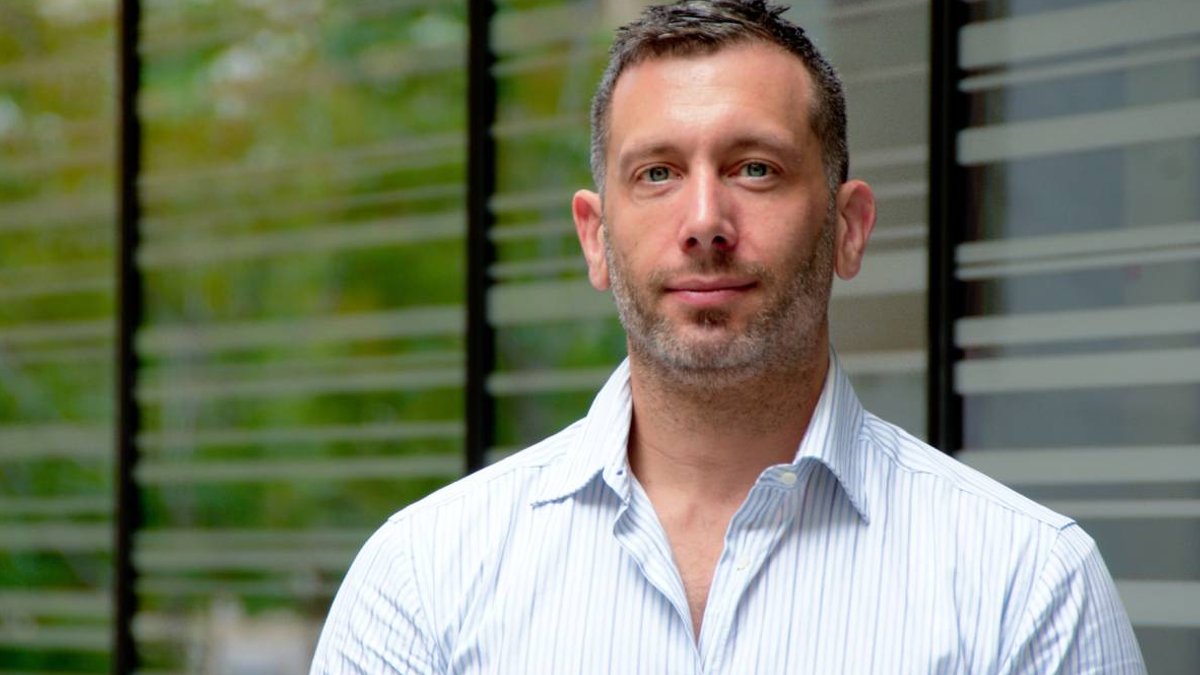
Q-CTRL was founded in 2017 by University of Sydney quantum physicist Michael Biercuk to address the instability of quantum computers, which are highly sensitive to interference. The startup uses artificial intelligence to suppress those errors.
That software layer will decide whether quantum shows up in enterprise data centres this decade, said Salesforce Ventures partner Robert Keith. New York-born Biercuk moved to Australia in 2010 and remains a US citizen. The company is headquartered in Sydney with offices in the US, Japan, Germany, and the UK.
Alta raises $67 million
Alta, previously known as Metal, has raised $67 million in a Series A round. The Melbourne and San Francisco-based startup helps banks settle payments 24/7 using blockchain. Index Ventures led the round, with support from Google’s venture arm GV, Australian VCs Blackbird and Square Peg, and Capital 49, the investment firm set up by Airwallex’s founders.
Alta was co-founded by Airwallex CEO Jack Zhang, serial entrepreneur Loong Wang, and former Meta crypto developer Catherine Porter. The funding will go toward hiring engineers and compliance specialists, as well as developing blockchain technology and onboarding banks and payment providers to the network.
Vudoo, a Melbourne-based adtech company, has raised $22 million in a Series B round, led by US fund Blue Sky Capital. The funds will be used to expand its overseas sales operations and develop its commerce technology. Vudoo has hired two executives to lead its North American push, aiming to get more retailers selling directly through ads and videos.
The company was founded in 2017 by Nick Morgan and Andrew Spalding, who conceived the idea of interactive videos while chatting in a Singapore bar. One of its earliest campaigns appeared in a 2022 Vogue Australia campaign with News Corp Australia for Moët & Chandon, allowing viewers to buy a personalized bottle of champagne inside the video.
Refilled and Provectus Algae secure funding
Refilled, a hardware startup, has raised a $5.6 million Series A round, led by OIF Ventures, with follow-on investment from Melt Ventures and veteran investor David Paradice. The company builds smart drink dispensers that provide an alternative to vending machines and hotel fridges, offering chilled, still, and sparkling water with various flavor combinations and boosters.
Provectus Algae, a Sunshine Coast startup, has secured $2.8 million in equity investment from the Queensland government’s Sowing the Seeds of Farming Innovation Fund. The company has developed a feed additive called Surf’N’Turf, which has caused an 85% reduction in methane emissions under trial conditions. Provectus Algae founder and CEO Nusqe Spanton said the additive shows immense promise for climate-conscious livestock producers.
Aimer Farming, a New Zealand agritech startup, has raised $2.44 million, co-led by Cultivate Ventures, the Erbacher Food Family, Pacific Channel, and Agnition. The cash will help adapt Aimer’s dairy tech for beef farmers, develop its dairy product, expand its satellite pasture measurement service, and enter new markets via partnerships. The Aimer platform combines smartphone and satellite measurements with forecasts of pasture growth, helping farmers decide where to graze their herd next.


