
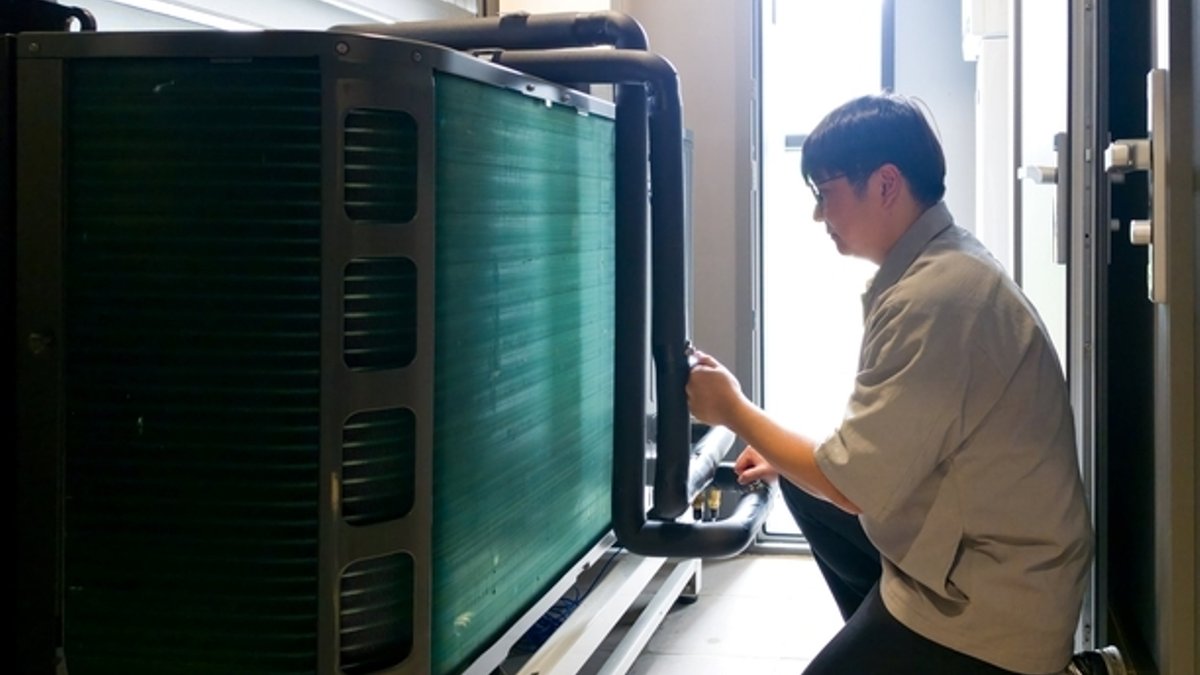
Samsung and LG are intensifying their push into South Korea’s residential heat‑pump market as both firms look to offset slowing sales of televisions and traditional home appliances.
Government push and market potential
The Korean government’s heating electrification program, which began with a pilot in Jeju, aims to replace fossil‑fuel boilers with high‑efficiency heat‑pump units. The initiative aligns with broader energy‑saving goals and offers a clear entry point for domestic manufacturers. According to a market‑research report, the global heat‑pump sector is projected to grow from $93.5 billion in 2025 to $211.9 billion by 2034, a compound annual growth rate of roughly 9.8 percent.
Heat pumps draw thermal energy from ambient air, delivering heating, ventilation and air‑conditioning (HVAC) while using less electricity than conventional gas boilers. European markets have already adopted the technology widely, showing lower carbon emissions and reduced operating costs.
LG’s European experience fuels its domestic lead
LG Electronics secured the role of largest supplier for the Jeju project. Its advantage stems from the Therma V brand, which has been marketed across several European countries. The company says its air‑source units can generate four to five times more thermal energy than the electricity they consume, allowing households to cut energy expenses by 40 percent to 60 percent versus fossil‑fuel heating.
The strategy emphasizes product performance, installation expertise and operational know‑how honed abroad. By leveraging that background, the firm hopes to cement a foothold in Korea’s emerging heat‑pump segment before competitors can catch up.
Samsung targets apartment complexes with an all‑in‑one solution
Samsung Electronics is concentrating on the dense apartment housing market that dominates Korean cities. In addition to its standard heat‑pump boiler line, the group promotes the EHS All‑in‑One system, a single unit that provides cooling, underfloor heating and hot‑water supply. The system can deliver water at temperatures up to 70 °C and is designed to operate even when outside temperatures drop to minus 15 °C.
Related: Techna-X scraps debt plan for private funding
This approach reflects a desire to replace traditional gas boilers with a compact, multifunctional device that fits the space constraints of high‑rise living. It also highlights the unit’s ability to maintain heating performance under harsh winter conditions, a selling point for many Korean consumers.
The competition between the two tech giants is more than a race for sales; it creates a recurring revenue stream through maintenance, servicing and eventual replacement. Once installed, heat‑pump units generate ongoing demand for parts and professional support, especially in large apartment blocks and new residential projects.
For residents, the shift could mean quieter homes and lower utility bills. Homeowners may need to rely on certified installers and schedule regular check‑ups, a change from the simpler upkeep of traditional boilers.
Both Samsung and LG are positioning themselves to benefit from the government’s policy direction. Their participation in the Jeju pilot not only serves as a testbed for technology but also signals to other developers and municipalities that domestic manufacturers can meet the program’s requirements.
Industry watchers note that the early stages of market formation often determine long‑term dominance. Companies that secure contracts now may enjoy brand recognition and customer loyalty that translate into future projects across the country.


