
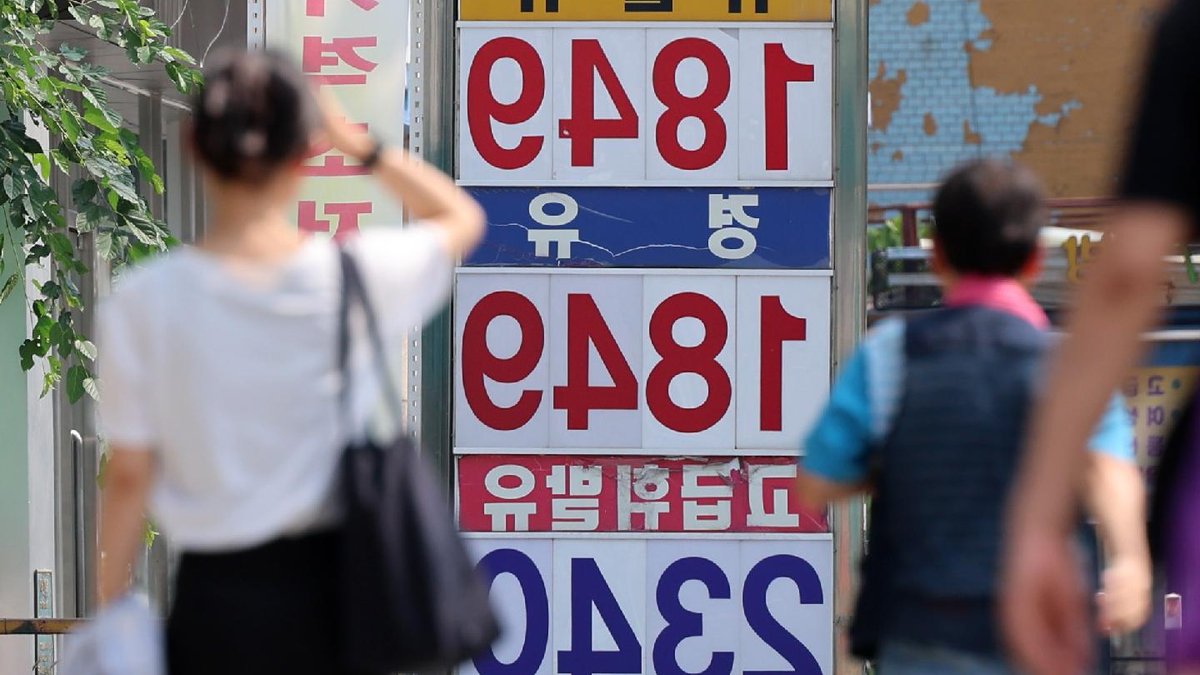
South Korea’s consumer price index (CPI) recorded a 2.8% year‑over‑year increase in July, marking the first time in three months that inflation returned to the 2% range.
Petroleum price slowdown drives overall easing
The Ministry of Data and Statistics reported the CPI at 119.77 for July, using 2020 as the base year. Petroleum product prices rose 15.5% year‑over‑year, a sharp decline from the 24.7% surge seen in June. Their weight in the inflation basket fell to 0.6 percentage points, down from 0.93.
Diesel prices climbed 21.5%, while gasoline rose 12.6%, both lower than the previous month’s 33.7% and 23.1% increases respectively. Officials linked the moderation to falling global oil prices and a stronger won, supplemented by a government price cap on fuel.
The Ministry of Finance and Economy estimated that the cap trimmed inflation by 0.3 percentage point. Without the cap, consumer price growth would have reached 3.1%.
Related: Samsung and LG vie for heat pump dominance
Agricultural and food price trends
Prices for agricultural, livestock and fishery items rose 0.9% in July, a notable slowdown from the 3.2% rise in June. Their contribution to overall inflation dropped to 0.07 percentage points from 0.24.
Fresh produce such as cabbage, watermelon, spinach, cucumbers, squash and radishes posted declines, while domestic beef, rice, imported beef, eggs, mackerel and green onions saw modest gains. Overall agricultural prices fell 2.2% after posting an increase the month before.
The data ministry noted that July and August typically see upward pressure on food prices due to heat, but higher production and shipments helped offset that trend. Government‑backed discount events for farm products also played a role.
Durable goods and services push core inflation higher
Durable goods prices rose 3.9% in July, up from 3.1% in June, increasing their impact on inflation to 0.28 percentage points. Computer prices jumped 25.1% and portable multimedia devices rose 22.5%, each marking the largest year‑over‑year gains on record. Higher semiconductor costs and the rollout of new models contributed to these spikes.
Related: US stocks hit by AI fears and war jitters as oil tops $100
Electric vehicle prices increased 6.2% as factory costs rose and the individual consumption tax was reinstated. Personal services, especially travel, rose 3.5%, reflecting stronger demand during the summer vacation period.
International airfares, classified as public services, climbed 21.7%, the second consecutive month in the 20% range, though the rate slowed from 28.2% in June.
Inflation remains modest.
The living necessities index, which tracks frequently bought items, advanced 2.5%, while the fresh food index fell 2.3%. The core inflation measure that excludes food and energy rose 2.6%, the highest since December 2023, driven largely by durable goods.


