
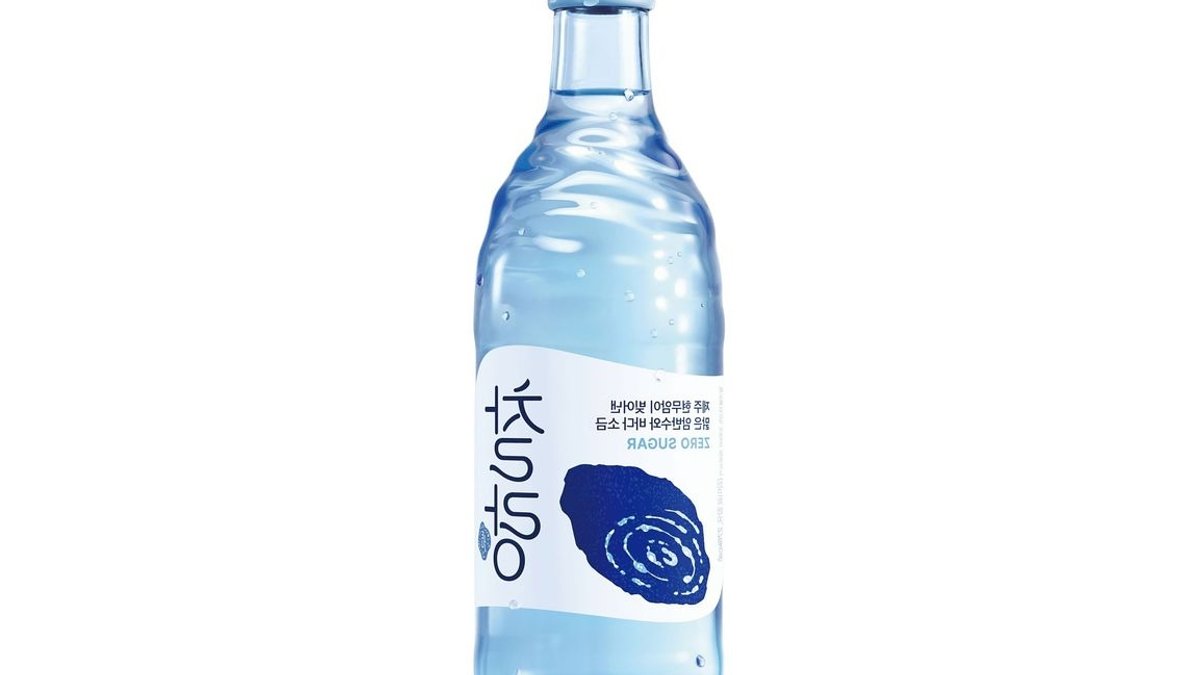
Oriental Brewery, an AB InBev-owned producer of Cass beer, will launch its first domestic soju product on Monday, aiming to capitalize on its established distribution network in a market dominated by rivals. The new zero-sugar soju, named Chalrang, is produced by the company’s affiliate Jeju Soju, which Oriental Brewery acquired from Shinsegae L&B in 2024. This marks Oriental Brewery’s clearest test of whether the acquisition will pay off in its primary market.
The soju market in Korea is dominated by a duopoly, with Hite Jinro controlling 66.2 percent of the market last year, and Lotte Chilsung Beverage holding 17.6 percent, together accounting for nearly 84 percent. Both competitors have recently cut proof levels and expanded zero-sugar lines, signaling intensified competition. The market itself is shrinking, driven by an aging population, fewer corporate gatherings, and health-conscious trends. National Tax Service data shows standard soju shipments fell to 793,000 kiloliters last year, down 2.8 percent and below the 800,000 kiloliters threshold for the first time.
Industry officials highlight Oriental Brewery’s ability to leverage its restaurant and bar network built through Cass. Officials note that Oriental Brewery’s entrenched network across a variety of sales channels will be a powerful weapon for getting its new soju to market quickly. This is important because soju often carries strong regional loyalty and brand attachment, making market penetration difficult for new entrants. They point out that Oriental Brewery’s established network will help the company to distribute its new soju product effectively.
Read Also: Persona AI trials humanoid robots in Korean industry
Oriental Brewery has launched a campaign across Seoul, featuring outdoor ads inspired by Jeju Island’s scenery, online promotion, and a flagship store pairing the soju with matching food. The company stated that this campaign introduces not just Chalrang’s taste, but the brand’s story, so consumers can experience it during everyday meals and gatherings. The product’s alcohol content at 15 percent is lower than rivals’ typical 15.7 percent, aligning with a lighter-drinking trend.
Consumer reception remains uncertain, particularly regarding Chalrang’s flavor profile derived from Jeju-sourced volcanic waters. Oriental Brewery plans a cautious market entry, launching in limited regions and channels while monitoring demand before deciding on expansion. The debut also fills a gap in the somaek cocktail market, where Oriental Brewery previously lacked its own soju partner for beer pairings. They will closely monitor consumer feedback and adjust their strategy accordingly.


